Single layer PCB materials form the foundation of countless electronic applications, from simple LED circuits to complex automotive systems. Understanding the characteristics, advantages, and applications of different single layer PCB materials is crucial for engineers and designers who need to balance performance requirements with cost considerations. This comprehensive guide examines the most important single layer PCB materials available today, helping you make informed decisions for your next project.
Understanding Single Layer PCB Materials
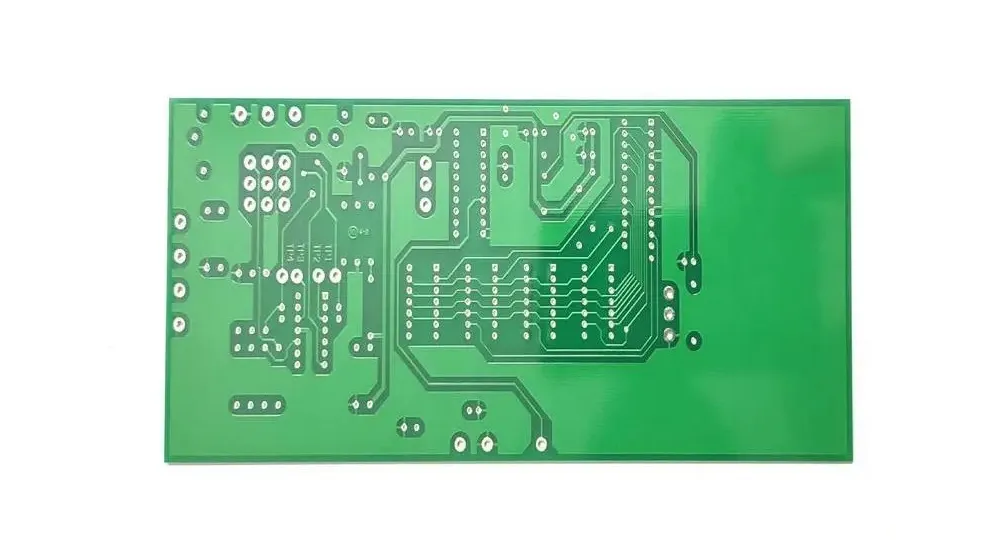
Single layer printed circuit boards represent the simplest form of PCB construction, featuring a single conductive copper layer mounted on an insulating substrate. These boards provide excellent mechanical and electrical properties while maintaining cost-effectiveness for applications that do not require complex multilayer configurations. The choice of substrate material significantly impacts thermal management, electrical performance, mechanical strength, and overall project economics.
Core Material Characteristics
The fundamental properties that define single layer PCB materials include thermal conductivity, dielectric constant, glass transition temperature, and mechanical strength. Materials with high thermal conductivity are essential for applications requiring efficient heat dissipation, while those with stable dielectric properties ensure reliable electrical performance across varying operating conditions.
Material Selection Impact on Design
The substrate material directly influences circuit design parameters such as trace width requirements, thermal management strategies, and component placement considerations. Different materials offer varying dielectric constants, with FR4 featuring approximately 4.5 and Rogers materials ranging from 6.15 to 11, affecting impedance calculations and signal integrity.
Comprehensive Analysis of Single Layer PCB Materials
1. FR4: The Industry Standard
FR4 remains the most widely used single layer PCB material due to its excellent balance of performance and cost-effectiveness. This woven fiberglass cloth with epoxy resin binder offers high dielectric strength, lightweight construction, high mechanical strength, and moisture resistance. FR4 materials are available in standard and high glass transition temperature variants, with glass transition temperatures of approximately 135°C.
Key Advantages of FR4:
- Proven reliability across diverse applications
- Excellent electrical insulation properties
- Standard manufacturing processes
- Cost-effective for moderate volume production
- Good dimensional stability
Common Applications:
- Consumer electronics
- Industrial control systems
- Communications equipment
- General-purpose electronic devices
2. Aluminum PCBs: Superior Thermal Management
Aluminum substrate PCBs excel in applications requiring exceptional heat dissipation capabilities. These boards feature thermal conductivity ranging from 1W/mK to 9W/mK and can withstand temperatures up to 400°C, significantly outperforming FR4 materials which begin to soften around 180°C.
Thermal Performance Benefits: Aluminum PCBs provide enhanced thermal conductivity up to 10.0 W/m·K or more, keeping high-power components cool enough to operate reliably throughout their expected lifetime. The aluminum base acts as an integrated heat sink, effectively transferring heat away from critical components.
Primary Applications:
- High-power LED applications including street lights, automotive headlights, and LED high beam lights
- Power electronics and motor controls
- Automotive electronics requiring thermal management
- RF amplifiers, antenna systems, and radar applications where efficient thermal management and signal integrity are critical
3. CEM-1: Cost-Effective Alternative
CEM-1 (Composite Epoxy Material Grade-1) provides a budget-friendly option for applications where FR4 performance exceeds requirements. This composite material features woven glass fabric surfaces and paper core combined with epoxy resin, offering easy punching characteristics and excellent electrical properties with higher flexural strength than paper-based grades.
Economic Advantages: CEM-1 material costs less than FR4 while providing adequate performance for single layer applications, making it ideal for cost-sensitive consumer products and toys. However, CEM-1 is limited to single layer configurations and cannot support multilayer designs.
4. CEM-3: Enhanced Performance Alternative
CEM-3 represents a newer development based on FR4 technology, featuring similar characteristics to FR4 but using a different glass fabric structure that results in a milky white appearance and very smooth surface. It serves as a complete replacement for FR4 and has gained significant market share in Asia.
Performance Characteristics:
- Glass transition temperature of approximately 125°C, comparable to FR4’s 135°C
- Cost-effective manufacturing while maintaining flame retardant properties
- Compatible with standard FR4 manufacturing processes
5. Rogers Materials: High-Frequency Performance
Rogers materials represent the premium segment of single layer PCB substrates, specifically engineered for high-frequency and high-speed applications. RO4003™ and RO4350B™ materials are high-frequency circuit materials with glass-reinforced ceramic/hydrocarbon laminates designed for performance-sensitive applications.
Technical Superiority: Rogers materials demonstrate superior performance with dissipation factors of 0.004% compared to FR4’s 0.02%, providing minimal electronic signal loss and better moisture absorption performance. Rogers materials maintain better impedance stability across a wider range of dielectric constant values than FR4.
Cost-Effectiveness and Selection Criteria for Single Layer PCB Materials
Material Cost Comparison
| Material | Relative Cost | Thermal Conductivity | Primary Applications | Volume Suitability |
|---|---|---|---|---|
| CEM-1 | Lowest | Standard | Consumer electronics, toys | High volume, cost-sensitive |
| CEM-3 | Low-Medium | Standard | General electronics | Medium to high volume |
| FR4 | Medium | Standard | Industrial, communications | All volumes |
| Aluminum | Medium-High | High (1–9 W/mK) | LED lighting, power electronics | Medium volume |
| Rogers | Highest | Variable | High-frequency, RF applications | Low to medium volume |
Selection Decision Framework
The optimal material choice depends on balancing performance requirements against cost constraints. For applications requiring high-speed operation or extreme temperature conditions, Rogers materials justify their higher cost through superior performance, while FR4 remains suitable for standard frequency and moderate temperature applications.
Cost-Performance Optimization:
- Budget-conscious projects: CEM-1 for simple, single-layer designs
- Balanced approach: FR4 for general-purpose applications requiring reliability
- Thermal-critical applications: Aluminum PCBs for heat-sensitive components
- High-frequency designs: Rogers materials for signal integrity requirements
Volume Production Considerations
Manufacturing efficiency varies significantly between materials, with FR4 offering easier quality control and management compared to CEM-1 alternatives. Higher volume production typically favors standardized materials like FR4 that support streamlined manufacturing processes.
Application-Specific Considerations and Implementation Guidelines
1. LED Lighting Applications
LED aluminum PCBs offer substantial cost savings through high energy conversion efficiency of 30% to 35% compared to incandescent lights’ 5% efficiency under normal operating conditions. The thermal management capabilities of aluminum PCBs help maintain optimal operating temperatures and prolong LED lifespan.
Design Considerations for LED Applications:
- Component thermal rating and heat generation
- Ambient operating temperature ranges
- Required lifespan and reliability standards
- Cost targets for volume production
2. High-Frequency and RF Applications
High-frequency PCB substrate materials are characterized by low loss tangent at high frequencies (normally 0.003 or less at 10 GHz or higher) and minimal fiber weave effects. These materials are essential for applications operating at 24 GHz, 76-77 GHz, and 77-81 GHz frequency ranges.
3. Automotive and Industrial Applications
Aluminum PCBs find extensive use in automotive electronics where space limitations require effective heat management solutions, ensuring reliable operation under demanding environmental conditions. Industrial automation systems benefit from the durability and thermal performance of metal core substrates.
4. Key Implementation Considerations
Thermal Management Planning:
- Calculate expected heat generation from components
- Design adequate thermal pathways
- Consider ambient temperature variations
- Plan for thermal expansion and contraction
Manufacturing Process Compatibility:
- Verify supplier capabilities for chosen materials
- Understand any special handling requirements
- Plan for quality control procedures
- Consider lead times for specialty materials
Reliability and Longevity Requirements:
- Assess operating environment conditions
- Determine required component lifespan
- Plan for maintenance and replacement schedules
- Consider failure mode implications
5. Material-Specific Design Guidelines
Each single layer PCB material requires specific design considerations to optimize performance. Aluminum PCBs need careful attention to thermal via placement and thermal path design. Rogers materials require specialized handling during manufacturing and may need different drilling and routing approaches compared to standard FR4 processing.
Quality Assurance Factors:
- Material certification and traceability
- Manufacturing process validation
- Testing and inspection requirements
- Long-term reliability verification
Partner with Haoyue Electronics for Expert Single Layer PCB Solutions
Selecting the optimal single layer PCB material requires balancing technical requirements, cost constraints, and manufacturing considerations. Whether your project demands the cost-effectiveness of CEM-1, the versatility of FR4, the thermal performance of aluminum substrates, or the high-frequency capabilities of Rogers materials, the right material choice significantly impacts your product’s success.
At Haoyue Electronics, we bring extensive experience in single layer PCB manufacturing and assembly across all major substrate materials. Our engineering team provides comprehensive material selection guidance, design optimization support, and manufacturing services to ensure your projects achieve optimal performance while meeting cost and schedule targets. From prototype development through high-volume production, we maintain strict quality standards and offer flexible manufacturing capabilities to support your specific requirements.
Ready to optimize your single layer PCB design? Contact Haoyue Electronics today to discuss your project requirements and discover how our material expertise and manufacturing capabilities can enhance your product development process.
FAQ
1. What are the most common materials used for single layer PCB manufacturing?
The most widely used single layer PCB materials include FR4, aluminum, CEM-1, CEM-3, and Rogers materials. FR4 is favored for its balanced performance and cost-effectiveness, while aluminum substrates excel in thermal management for high-power LED lighting and automotive applications. Rogers materials are specialized for high-frequency and RF applications due to their superior electrical properties.
2. How does the choice of single layer PCB material affect thermal management and product reliability?
Material selection significantly impacts thermal conductivity and heat dissipation. Aluminum PCBs offer superior thermal performance with conductivity ranging from 1 to 9 W/mK, helping to maintain optimal operating temperatures and extend component lifespan. In contrast, standard FR4 materials have lower thermal conductivity but are sufficient for moderate temperature environments, making material choice critical for thermal-sensitive applications.
3. What factors should be considered when selecting single layer PCB materials for volume production?
When selecting materials for volume production, factors such as cost-effectiveness, manufacturing process compatibility, quality control ease, and lead times must be evaluated. FR4 remains popular for high-volume runs due to its standardized processing and reliability. CEM-1 and CEM-3 offer cost savings for budget-conscious projects, whereas aluminum and Rogers materials may require special handling and are suited for medium to low volume specialized applications.
4. Why are Rogers materials preferred for high-frequency single layer PCB designs?
Rogers materials are engineered to minimize dielectric loss and signal attenuation at high frequencies, often featuring a low loss tangent below 0.003 at 10 GHz or higher. This ensures superior signal integrity and impedance stability in RF and microwave applications, making them ideal for advanced communications, radar, and high-speed digital circuits.
5. How can manufacturers ensure quality and reliability in single layer PCB production?
Quality assurance involves rigorous material certification, process validation, and comprehensive testing including thermal, electrical, and mechanical inspections. Traceability of raw materials and strict manufacturing controls are essential to meet reliability standards, especially for critical applications like automotive electronics and medical devices. Partnering with experienced manufacturers like Haoyue Electronics can help ensure consistent quality and long-term product performance.