
Thermal Management Design Strategies for Ceramic PCBs
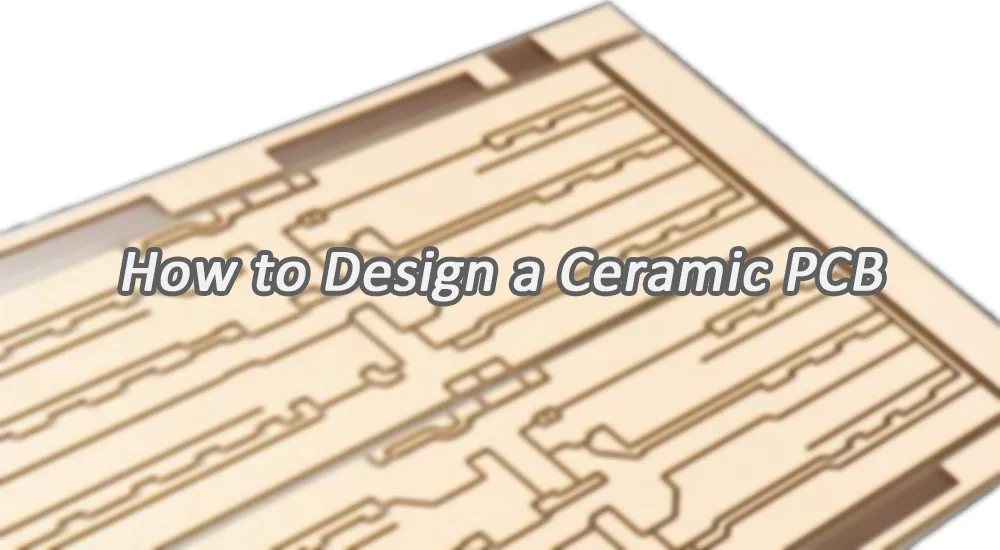
Effective thermal management forms the cornerstone of ceramic PCB design, particularly for high-power applications where heat dissipation directly impacts performance and reliability. The exceptional thermal conductivity of ceramic materials like aluminum nitride (170-230 W/mK) and alumina (20-30 W/mK) requires specific design approaches to maximize these inherent advantages.
Strategic Trace Placement and Thermal Pathways
Copper trace positioning on ceramic substrates demands careful consideration of thermal expansion coefficients and heat flow patterns. Unlike FR4 designs where thermal considerations often take secondary importance, ceramic PCB design must prioritize thermal pathways from the initial layout phase. Wide copper planes and strategic via placement create efficient heat dissipation channels that leverage the substrate’s thermal properties.
The coefficient of thermal expansion (CTE) mismatch between copper (17 ppm/°C) and ceramic materials (4-7 ppm/°C) necessitates specific design rules. Trace geometry must accommodate thermal stress while maintaining electrical performance. Design engineers should implement thermal relief patterns and avoid abrupt geometry changes that could create stress concentration points during thermal cycling.
Component Placement for Optimal Heat Distribution
Power components require strategic positioning to create uniform temperature distribution across the ceramic substrate. High-power devices should be placed to minimize thermal coupling while maintaining signal integrity requirements. The superior thermal conductivity of ceramic substrates allows for more aggressive component density compared to traditional materials, but this advantage must be leveraged through intelligent thermal zone management.
Thermal simulation during the design phase becomes essential for ceramic PCB applications. Advanced modeling tools help predict hot spots and optimize component placement before manufacturing, reducing development cycles and ensuring first-pass design success.
Ceramic PCB Design Material Selection and Compatibility
Material selection fundamentally shapes ceramic PCB design requirements and manufacturing approaches. Each ceramic substrate material presents distinct design constraints and opportunities that must be understood during the conceptual design phase.
Aluminum Nitride Design Considerations
Aluminum nitride substrates offer exceptional thermal performance but require specific design adaptations. The material’s high thermal conductivity demands careful consideration of thermal shock resistance during assembly processes. Design rules must account for the material’s brittleness and implement appropriate safety margins for mechanical stress points.
Via design in aluminum nitride requires specialized approaches due to the material’s hardness and thermal properties. Laser drilling parameters must be optimized for the specific substrate thickness and via aspect ratios. Heavy copper PCB techniques often complement aluminum nitride designs, where increased copper thickness enhances current carrying capacity while leveraging the substrate’s thermal advantages.
Alumina Substrate Design Parameters
Alumina substrates provide balanced performance characteristics that suit a broad range of applications. The material’s moderate thermal conductivity and cost-effectiveness make it suitable for designs where extreme thermal performance is not critical. Design rules for alumina can be more relaxed regarding thermal stress, but mechanical considerations remain important due to the material’s ceramic nature.
Advanced Ceramic Material Integration
Silicon carbide and beryllium oxide substrates represent specialized design territories requiring advanced engineering approaches. These materials offer extreme performance capabilities but demand sophisticated design methodologies and manufacturing partnerships capable of handling their unique requirements.
Dimensional Accuracy and Manufacturing Tolerances
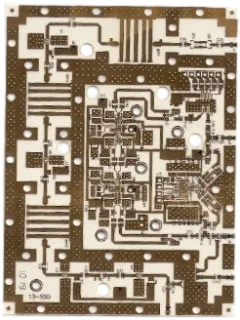
Ceramic PCB design must accommodate the inherent characteristics of ceramic manufacturing processes, where sintering and thermal processing can affect final dimensions. Understanding these manufacturing realities enables designers to create robust designs that meet performance specifications consistently.
Shrinkage Compensation in Design
Ceramic substrates experience shrinkage during the sintering process, typically ranging from 12-20% depending on the material and manufacturing technique. Design layouts must incorporate shrinkage compensation factors to ensure final dimensions meet specifications. This requires close collaboration with manufacturing partners to understand their specific process parameters and historical shrinkage data.
Layer registration in multilayer ceramic designs becomes particularly critical due to the cumulative effects of shrinkage across multiple layers. Design rules must account for potential misalignment and incorporate appropriate tolerances for critical features.
Precision Requirements for High-Frequency Applications
RF and microwave applications demand exceptional dimensional accuracy to maintain characteristic impedance and signal integrity. Ceramic substrates inherently provide superior dimensional stability compared to organic materials, but design approaches must leverage this advantage through appropriate trace geometry and spacing requirements.
The low dielectric loss characteristics of ceramic materials enable aggressive miniaturization in high-frequency designs, but this requires precise control of trace dimensions and layer thicknesses. Design verification through electromagnetic simulation becomes essential to ensure performance targets are achieved.
Design Software and Tool Compatibility Challenges
Ceramic PCB design presents unique challenges for standard PCB design software packages, which are typically optimized for organic substrate materials. Understanding these limitations and implementing appropriate workarounds ensures design success while maintaining efficiency.
CAD Tool Adaptation for Ceramic Substrates
Standard PCB design tools require material library modifications to accurately represent ceramic substrate properties. Dielectric constants, loss tangents, and thermal properties must be properly configured to enable accurate simulation and analysis. Many design teams create custom material definitions based on manufacturer specifications and empirical testing data.
Design rule checking (DRC) requires adaptation for ceramic-specific manufacturing constraints. Via sizes, trace spacing, and minimum feature sizes differ significantly from FR4 design rules. Establishing comprehensive design rule sets prevents manufacturing issues and ensures design compatibility with ceramic fabrication processes.
Simulation and Analysis Tool Integration
Thermal simulation integration becomes critical for ceramic PCB design verification. Standard electrical simulation tools must be supplemented with thermal analysis capabilities to validate heat dissipation performance. Multiphysics simulation environments enable comprehensive analysis of thermal, electrical, and mechanical interactions within ceramic substrate designs.
Signal integrity analysis requires calibrated models that accurately represent ceramic material properties across the intended frequency range. Standard transmission line models may require modification to account for the unique characteristics of ceramic substrates and their interface with copper conductors.
Manufacturing Data Preparation
Ceramic PCB manufacturing requires specialized data preparation compared to standard PCB fabrication. Gerber file generation must account for ceramic-specific manufacturing processes, including laser drilling requirements and metallization processes. Design teams must work closely with ceramic PCB manufacturers to ensure data compatibility and manufacturing feasibility.
Heavy copper PCB design considerations often complement ceramic substrate applications, requiring specialized design approaches for thick copper layers. Data preparation must account for copper thickness variations and their impact on feature definition and electrical performance.
Advanced Ceramic PCB Design Methodologies
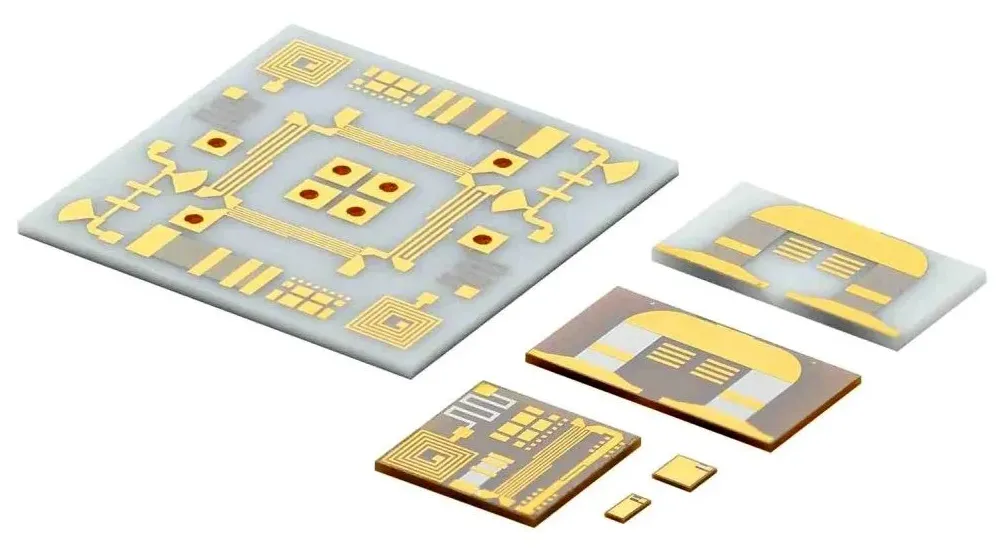
Modern ceramic PCB design leverages advanced methodologies that optimize performance while maintaining manufacturing feasibility. These approaches require understanding of both material science and manufacturing processes to achieve optimal results.
Embedded Component Integration
Ceramic substrates enable embedded component integration that surpasses conventional PCB capabilities. Passive components can be embedded within multilayer ceramic structures, creating highly integrated solutions with superior performance characteristics. This approach requires specialized design methodologies that consider component placement, thermal management, and electrical interconnection within the ceramic matrix.
Three-Dimensional Design Approaches
Advanced ceramic manufacturing techniques enable three-dimensional circuit geometries that extend beyond traditional planar designs. These approaches require sophisticated design tools and methodologies that can handle complex geometries while maintaining electrical and thermal performance requirements.
Design for Reliability Considerations
Ceramic PCB applications often target high-reliability environments where failure is not acceptable. Design approaches must incorporate reliability analysis from the initial concept phase, considering factors such as thermal cycling, mechanical stress, and long-term material stability.
Failure mode analysis becomes critical for ceramic PCB designs, particularly in aerospace and medical applications. Design methodologies must include comprehensive stress analysis and reliability prediction to ensure performance throughout the intended operational life.
Professional Ceramic PCB Manufacturing Partnership with Haoyue Electronics
Successful ceramic PCB design implementation requires collaboration with manufacturing partners who possess specialized capabilities and deep understanding of ceramic substrate technologies. The complexity of ceramic PCB manufacturing demands expertise that extends beyond conventional PCB fabrication.
Haoyue Electronics brings comprehensive ceramic PCB manufacturing and assembly capabilities that support advanced design implementations. Our specialized expertise enables successful translation of complex ceramic PCB designs into high-performance production units.
Core Manufacturing Capabilities
- Advanced ceramic substrate processing including alumina, aluminum nitride, and silicon carbide materials
- Precision laser drilling and metallization for high-density interconnect requirements
- Heavy copper PCB integration optimized for ceramic substrate thermal management
- Multilayer ceramic assembly with dimensional accuracy suitable for RF and power applications
- Comprehensive testing and validation including thermal cycling and electrical performance verification
- Design for manufacturability consultation ensuring optimal design-to-production transitions
Our engineering team collaborates directly with design teams to optimize layouts for ceramic substrate manufacturing, ensuring first-pass design success and production scalability. Contact Haoyue Electronics to discuss your ceramic PCB design requirements and explore how our specialized capabilities can support your next-generation electronic systems.